Pumpkin Cookies: Easy 3-Dozen Iced Fall Treat
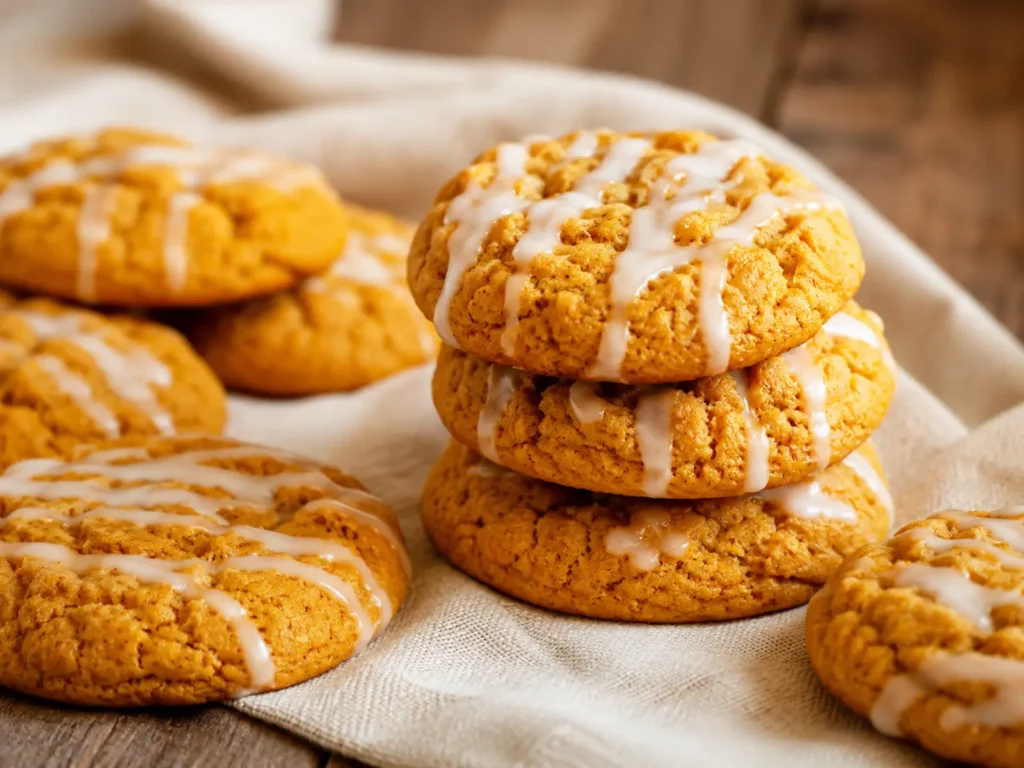
Pumpkin Cookies are soft, domed drop cookies with the tender texture of small pumpkin cake tops and a thin vanilla icing that sets on the surface. Cinnamon, nutmeg, and cloves supply a classic fall spice profile, while canned pumpkin keeps each cookie moist. The dough is intentionally softer and stickier than a roll-out cookie dough, so it is portioned by spoon and flattened lightly before baking. Once the centers are set and the cookies have cooled, a simple powdered-sugar glaze adds sweetness without hiding the pumpkin flavor. The batch makes three dozen, which is useful for holiday trays, school events, or Thanksgiving dessert tables where individually portioned treats are easier to serve than a sliced cake.
Why These Cookies Stay Soft and Cakey
Pumpkin contributes considerable moisture, and the combination of baking powder and baking soda gives the dough enough lift to form a soft, cake-like crumb. Creamed butter and sugar introduce air before the pumpkin and egg are added. Unlike a crisp sugar cookie, this dough is not chilled or rolled; spoonfuls are placed directly on prepared sheets and gently flattened. The cookies are ready when their centers are set, not deeply browned. Cooling on a rack prevents trapped steam from making the bottoms damp before icing.
Important Ingredients and Their Roles
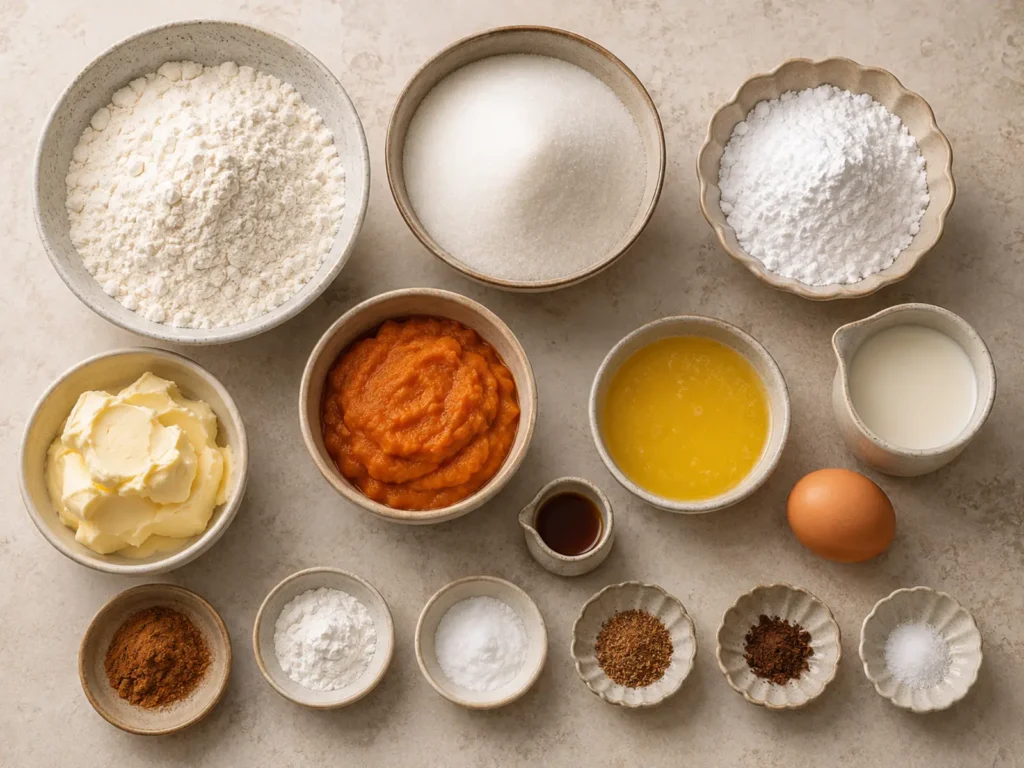
- Canned pumpkin puree: Use plain pumpkin puree, not pumpkin pie filling. The extra sugar and spice in pie filling would make the dough unpredictable.
- All-purpose flour: Measure carefully and whisk it with the spices and leaveners before it reaches the wet mixture.
- Cinnamon, nutmeg, and cloves: These spices create warmth in layers. Cloves are potent, so keep the measured amount rather than adding freely.
- Softened butter: Creaming it with sugar produces a lighter cookie than melted butter would.
- Alcohol-free vanilla flavoring: Use it in both dough and icing to maintain the intended vanilla note without alcoholic extract.
- Powdered sugar and milk: These form a smooth drizzle. Add only enough extra milk to make the icing flow slowly from a fork.
See the recipe card below for the complete ingredient list and exact measurements.
How to Make Pumpkin Cookies
- Prepare two cookie sheets and preheat the oven to 350°F. Whisk the flour, cinnamon, baking powder, baking soda, nutmeg, cloves, and salt in a separate bowl.
- Cream the softened butter with granulated sugar for two to three minutes, until the mixture looks lighter and fluffy. Beat in pumpkin, egg, and alcohol-free vanilla flavoring.
- Mix in the flour mixture only until the dough is uniform. It will be soft and sticky, which is expected for this style of cookie.
- Drop tablespoon portions onto the sheets with space between them and flatten each mound slightly so the centers bake evenly.
- Bake for 15 to 20 minutes, switching rack positions halfway through if both sheets bake at once. Move the set cookies to a rack and cool for about 30 minutes.
- Whisk powdered sugar, milk, melted butter, and alcohol-free vanilla flavoring until smooth. Add milk sparingly if needed, then drizzle over completely cool cookies and let the icing set.
Practical Tips for Reliable Results
- Do not add extra flour just because the dough is sticky; too much flour removes the soft cake-like texture.
- Use similar-size spoonfuls so every cookie reaches doneness at the same time.
- Flatten gently rather than pressing thin. These cookies should remain thick and soft.
- Rotate or switch pans halfway through when your oven browns unevenly.
- Ice only after the cookies reach room temperature, or the glaze will melt and soak in.
Variations and Thoughtful Substitutions
For a warmer finish, add a small pinch of cinnamon to the icing. Toasted pecans may be sprinkled over the wet glaze for texture, as supported by the source note. Keep additions modest so they adhere before the icing sets. If you prefer a thicker spread rather than a drizzle, use slightly less milk; the topping will become more opaque and take longer to set. This recipe is designed as a cakey cookie, so it should not be altered or marketed as a chewy brown-butter cookie.
Serving the Finished Recipe
Allow the vanilla icing to set before arranging the cookies on a platter or stacking them. Their soft texture works well beside coffee, tea, milk, or fresh fruit. On a Thanksgiving dessert board, place parchment beneath them and separate layers so the glaze remains intact. Because the cookies are sweet and generously sized by the tablespoon, one or two pieces make a comfortable serving alongside other seasonal desserts.
Storage and Make-Ahead Guidance
Once the icing is fully set, place the cookies in an airtight container. The source permits room-temperature storage for up to one week, with parchment or wax paper between stacked layers to prevent sticking. For make-ahead preparation, portion the dough onto a lined sheet and freeze until firm, then transfer the portions to a freezer bag for up to 3 months. Bake and ice according to the recipe. Never taste raw dough; FDA guidance explains that both flour and eggs require proper baking.
Plan the Bake from Start to Finish
Read the full method before beginning and set out the pan, mixing bowls, whisk, flexible spatula, cooling rack, and measuring tools. Bring only the ingredients that need softening to room temperature, while keeping ingredients intended for whipping cold. Measure the dry ingredients before combining the wet mixture so the batter does not wait unnecessarily once the leaveners are activated. Leave enough counter or rack space for complete cooling, because adding a coating or frosting too soon is one of the easiest ways to spoil the intended finish.
For consistent results, use an oven thermometer if your oven tends to run hot or cool. Pan material also affects baking: dark metal can brown edges sooner, while glass may hold heat longer after removal. Begin checking at the earliest verified time and use the recipe-specific visual cue rather than extending the bake automatically. This approach protects both texture and moisture without inventing a new timing rule.
Safe Handling While Baking
A brief safety reminder matters in any baking project. According to FDA guidance on safely handling flour, raw flour, batter, and dough should not be tasted because flour is a raw food. Wash bowls, utensils, hands, and work surfaces after contact with flour or raw eggs. The USDA’s leftovers and food-safety guidance also recommends refrigerating dairy-topped desserts promptly and not leaving perishable food at room temperature for more than two hours.
A Fall Dessert Worth Planning For
Pumpkin Cookies balances practical preparation with the warm flavor and soft texture expected from a pumpkin bake. Give the finished recipe its full cooling or chilling time before adding the final topping, since that pause protects both appearance and texture. Serve it at the temperature recommended above, and keep any perishable topping properly chilled until needed.
Frequently Asked Questions About Pumpkin Cookies
Can I prepare Pumpkin Cookies ahead of time?
Yes. Use the make-ahead guidance in the storage section and complete any frosting, coating, or garnish at the stage recommended for this recipe. Cool the baked component fully before covering it so trapped steam does not soften the surface or create condensation.
How do I know when it is done?
Use the recipe-specific cue rather than color alone: Bake for 15 to 20 minutes, switching rack positions halfway through. Transfer the cookies to a wire rack and cool for about 30 minutes. Oven performance and pan material can vary, so begin checking at the earliest verified time.
Can I substitute homemade pumpkin puree?
Plain homemade pumpkin puree can work only when its consistency is close to canned puree. Fresh puree often contains more water, which can soften the crumb or filling. Drain or blot an overly wet puree before measuring, and never substitute sweetened pumpkin pie filling.
What is the safest way to store leftovers?
Cool the recipe as directed, then follow the storage section for the appropriate container and temperature. Refrigerate any dessert containing cream cheese, whipped cream, or another perishable topping promptly, and do not leave it at room temperature longer than two hours.
Pumpkin Cookies: Easy 3-Dozen Iced Fall Treat
- Total Time: 1 hour 5 minutes
- Yield: 36 cookies 1x
Description
Pumpkin Cookies are soft, domed drop cookies with the tender texture of small pumpkin cake tops and a thin vanilla icing that sets on the surface.
Ingredients
- 2 1/2 cups all-purpose flour
- 2 teaspoons ground cinnamon
- 1 teaspoon baking powder
- 1 teaspoon baking soda
- 1/2 teaspoon ground nutmeg
- 1/2 teaspoon ground cloves
- 1/2 teaspoon salt
- 1 1/2 cups granulated sugar
- 1/2 cup butter, softened
- 1 cup canned pumpkin puree
- 1 large egg
- 1 teaspoon alcohol-free vanilla flavoring
- 2 cups powdered sugar
- 3 tablespoons milk, plus more only if needed
- 1 tablespoon butter, melted
- 1 teaspoon alcohol-free vanilla flavoring
Instructions
- Prepare the cookie sheets: Preheat the oven to 350°F and grease two cookie sheets.
- Whisk the dry ingredients: Whisk the flour, cinnamon, baking powder, baking soda, nutmeg, cloves, and salt together until evenly combined.
- Cream the butter and sugar: Beat the granulated sugar and softened butter together for 2 to 3 minutes, until fluffy.
- Mix the pumpkin dough: Beat in the pumpkin puree, egg, and alcohol-free vanilla flavoring, then mix in the dry ingredients only until combined.
- Portion the cookies: Drop tablespoonfuls of dough onto the prepared sheets and flatten each mound slightly.
- Bake until centers set: Bake for 15 to 20 minutes, switching rack positions halfway through. Transfer the cookies to a wire rack and cool for about 30 minutes.
- Whisk the vanilla icing: Stir the powdered sugar, milk, melted butter, and alcohol-free vanilla flavoring together until smooth, adding milk sparingly if needed.
- Ice the cooled cookies: Drizzle the icing over the completely cooled cookies and allow it to set before storing or serving.
Notes
- Use plain pumpkin puree rather than sweetened pumpkin pie filling.
- Once the icing is fully set, place the cookies in an airtight container. The source permits room-temperature storage for up to one week, with parchment or wax paper between stacked layers to prevent sticking. For make-ahead preparation, portion the dough onto a lined sheet and freeze until firm, then transfer the portions to a freezer bag for up to 3 months. Bake and ice according to the recipe. Never taste raw dough; FDA guidance explains that both flour and eggs require proper baking.
- Nutrition information is an estimate calculated per serving and may vary by ingredient brand and portion size.
- Prep Time: 20 minutes
- Cook Time: 15 minutes
- Category: Dessert
- Method: Baking
- Cuisine: American
Nutrition
- Serving Size: 1 cookie
- Calories: 122
- Sugar: 15 g
- Sodium: 121 mg
- Fat: 3 g
- Saturated Fat: 2 g
- Carbohydrates: 22 g
- Fiber: 1 g
- Protein: 1 g
- Cholesterol: 13 mg
Keywords: Pumpkin Cookies, Pumpkin Recipes, Dessert Recipes, Fall Recipes, Fall Desserts, Easy Recipes, Thanksgiving Recipes