Pumpkin Cheesecake Creamy Slice Fall Favorite
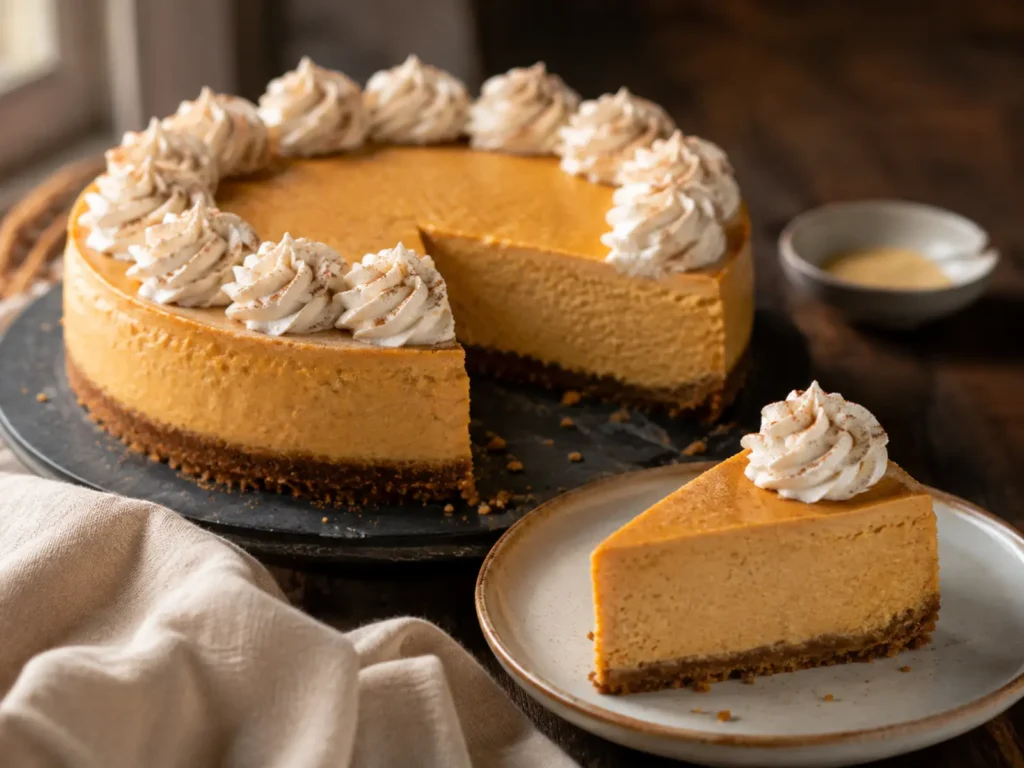
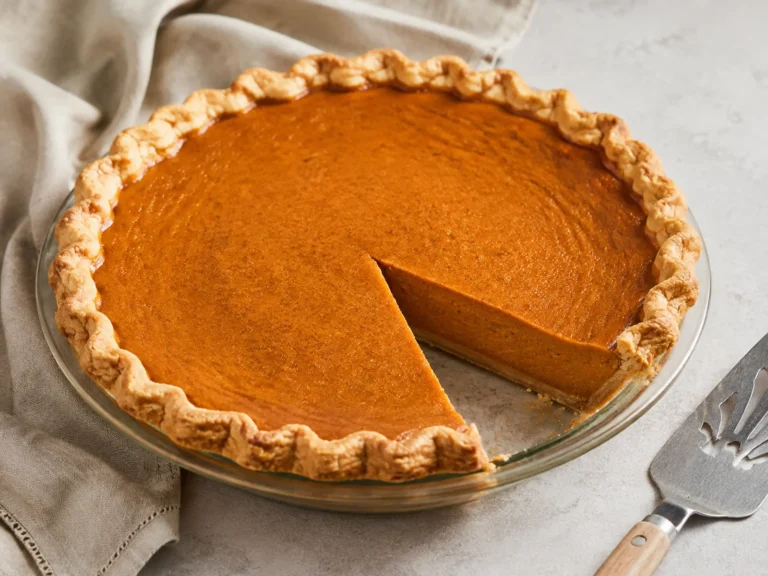
Pumpkin Cheesecake layers a crisp graham cracker crust with a rich, warmly spiced filling and a cloud of cinnamon whipped cream. Pumpkin puree softens the cream cheese base and gives it a muted orange color, while brown sugar and pumpkin pie spice provide familiar fall depth. This version bakes without a water bath, making the method more approachable, but it still depends on patient cooling and a full chill for clean slices. The center should retain a slight wobble when it leaves the oven; the residual heat finishes setting the custard as it cools. Plan ahead for the six-hour chill, and the result becomes an elegant make-ahead dessert for Thanksgiving or another fall gathering.
Why This Cheesecake Sets Without a Water Bath
A moderate 350°F oven and careful mixing allow the filling to bake evenly without surrounding the pan with water. The edges set first and may puff slightly, while the center remains just a little mobile. Pulling the cheesecake at that stage protects its creamy texture; baking until the middle is rigid can produce a dry or cracked filling. Room-temperature dairy also matters because softened cream cheese blends smoothly before the eggs are added. Once the eggs go in, gentle mixing limits trapped air that could expand and collapse in the oven.
Important Ingredients and Their Roles
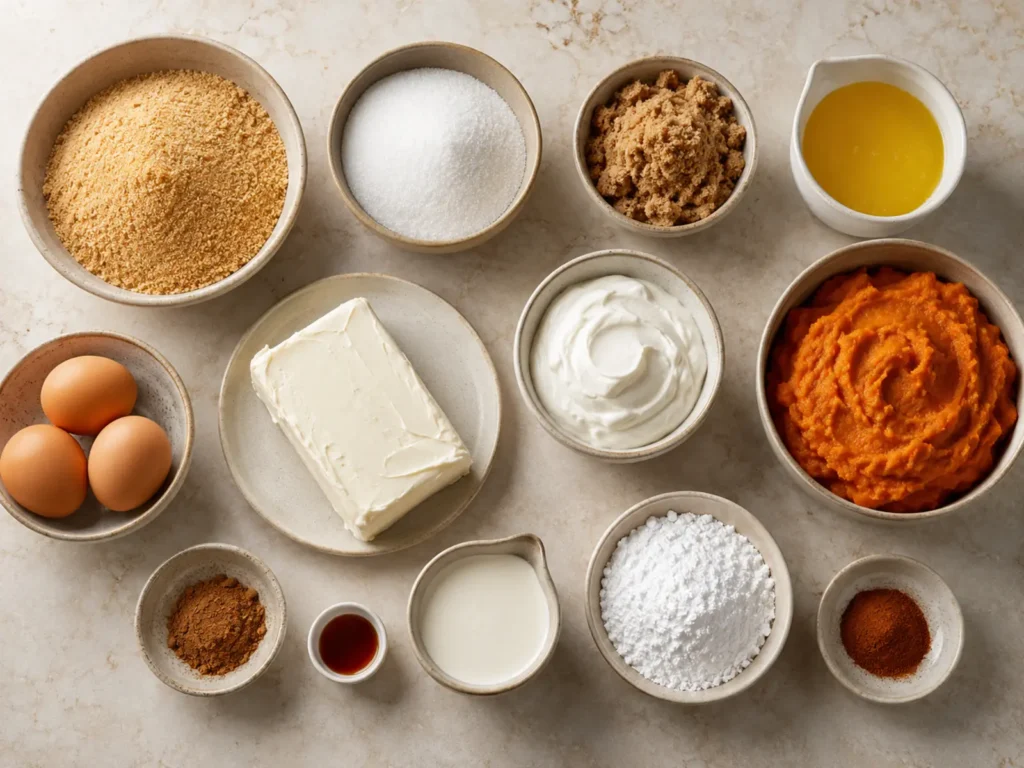
- Brick-style cream cheese: Use full-fat blocks softened to room temperature. Tub-style spread contains more moisture and can prevent a firm, clean set.
- Pumpkin puree: Choose 100% pumpkin, not sweetened pumpkin pie filling.
- Graham cracker crumbs: Fine crumbs pack more evenly and form a crust that slices without large breaks.
- Brown and granulated sugar: The combination provides sweetness plus a mild caramel note that supports the pumpkin spice.
- Sour cream: This loosens the dense cream cheese base and contributes a smooth, gently tangy finish.
- Eggs: Bring them to room temperature and add them individually so they incorporate with minimal mixing.
- Alcohol-free vanilla flavoring: Use it in both the filling and whipped cream to add vanilla flavor without an alcoholic extract.
- Heavy cream: Cold cream whips most efficiently for the cinnamon topping.
See the recipe card below for the complete ingredient list and exact measurements.
How to Make Pumpkin Cheesecake
- Make fine graham crumbs, combine them with both sugars and melted butter, then press the mixture firmly over the base of a 9-inch springform pan. Chill rather than pre-bake it.
- Beat softened cream cheese with brown and granulated sugar until no lumps remain, scraping the bowl carefully. Blend in sour cream, pumpkin, spice, and alcohol-free vanilla flavoring.
- Add the lightly beaten eggs one at a time and stop mixing as soon as each disappears. Spread the filling over the cold crust and set the pan on a foil-lined baking sheet.
- Bake at 350°F. Begin checking at 40 minutes; the edges should look set while the center jiggles slightly. Oven and pan differences can extend the bake, so follow the visual cue rather than the clock alone.
- Cool the cheesecake to room temperature, then refrigerate for at least six hours or overnight. Do not add the topping before the cheesecake is cold.
- Whip cold heavy cream with powdered sugar, cinnamon, and alcohol-free vanilla flavoring until stiff peaks form. Pipe or spoon it onto the cheesecake before slicing.
Practical Tips for Reliable Results
- Soften the cream cheese fully. Cold pieces stay lumpy even after prolonged beating.
- Scrape the bottom and sides of the bowl between additions so no dense cream cheese remains hidden.
- Avoid aggressive mixing after adding eggs. Excess air encourages puffing, sinking, and cracks.
- Check doneness by movement: a small central wobble is expected, but a liquid wave is not.
- Release chilled slices with a thin knife warmed in hot water and wiped dry between cuts.
Variations and Thoughtful Substitutions
Digestive biscuit crumbs may replace graham crumbs by weight when graham crackers are unavailable; the flavor will be slightly less honeyed. For a less decorative presentation, spoon cinnamon whipped cream beside each slice instead of piping it. Do not alter the pumpkin quantity casually, because extra puree adds water and may soften the set. Likewise, reduced-fat or spreadable cream cheese can change both firmness and richness, so brick-style full-fat cream cheese remains the dependable choice.
Serving the Finished Recipe
Serve the cheesecake well chilled, with the cinnamon cream added shortly before the plate reaches the table. A slim slice is satisfying because the filling is rich. Keep garnishes restrained: a small dusting of cinnamon or a few clean graham crumbs echoes ingredients already in the dessert. If the cheesecake will sit on a buffet, return unused portions to the refrigerator promptly rather than leaving the dairy-based dessert at room temperature for an extended period.
Storage and Make-Ahead Guidance
Cover the cheesecake or place slices in an airtight container and refrigerate for up to 5 days. The source also permits freezing for several months; for the neatest finish, freeze the cheesecake without whipped cream, wrap it carefully once firm, and thaw it in the refrigerator. Add freshly whipped topping after thawing. Follow USDA guidance to refrigerate perishable leftovers within two hours, and keep the refrigerator at 40°F or below.
Plan the Bake from Start to Finish
Read the full method before beginning and set out the pan, mixing bowls, whisk, flexible spatula, cooling rack, and measuring tools. Bring only the ingredients that need softening to room temperature, while keeping ingredients intended for whipping cold. Measure the dry ingredients before combining the wet mixture so the batter does not wait unnecessarily once the leaveners are activated. Leave enough counter or rack space for complete cooling, because adding a coating or frosting too soon is one of the easiest ways to spoil the intended finish.
For consistent results, use an oven thermometer if your oven tends to run hot or cool. Pan material also affects baking: dark metal can brown edges sooner, while glass may hold heat longer after removal. Begin checking at the earliest verified time and use the recipe-specific visual cue rather than extending the bake automatically. This approach protects both texture and moisture without inventing a new timing rule.
Safe Handling While Baking
A brief safety reminder matters in any baking project. According to FDA guidance on safely handling flour, raw flour, batter, and dough should not be tasted because flour is a raw food. Wash bowls, utensils, hands, and work surfaces after contact with flour or raw eggs. The USDA’s leftovers and food-safety guidance also recommends refrigerating dairy-topped desserts promptly and not leaving perishable food at room temperature for more than two hours.
A Fall Dessert Worth Planning For
Pumpkin Cheesecake balances practical preparation with the warm flavor and soft texture expected from a pumpkin bake. Give the finished recipe its full cooling or chilling time before adding the final topping, since that pause protects both appearance and texture. Serve it at the temperature recommended above, and keep any perishable topping properly chilled until needed.
Frequently Asked Questions About Pumpkin Cheesecake
Can I prepare Pumpkin Cheesecake ahead of time?
Yes. Use the make-ahead guidance in the storage section and complete any frosting, coating, or garnish at the stage recommended for this recipe. Cool the baked component fully before covering it so trapped steam does not soften the surface or create condensation.
How do I know when it is done?
Use the recipe-specific cue rather than color alone: Cool the cheesecake to room temperature, then refrigerate for at least 6 hours or overnight. Oven performance and pan material can vary, so begin checking at the earliest verified time.
Can I substitute homemade pumpkin puree?
Plain homemade pumpkin puree can work only when its consistency is close to canned puree. Fresh puree often contains more water, which can soften the crumb or filling. Drain or blot an overly wet puree before measuring, and never substitute sweetened pumpkin pie filling.
What is the safest way to store leftovers?
Cool the recipe as directed, then follow the storage section for the appropriate container and temperature. Refrigerate any dessert containing cream cheese, whipped cream, or another perishable topping promptly, and do not leave it at room temperature longer than two hours.
Pumpkin Cheesecake: Creamy 12-Slice Fall Favorite
- Total Time: 7 hours
- Yield: 12 slices 1x
Description
Pumpkin Cheesecake layers a crisp graham cracker crust with a rich, warmly spiced filling and a cloud of cinnamon whipped cream.
Ingredients
- 1 1/2 cups (170 g) fine graham cracker crumbs
- 2 tablespoons granulated sugar
- 1 tablespoon packed brown sugar
- 7 tablespoons (100 g) butter, melted
- 24 ounces (680 g) brick-style cream cheese, softened
- 3/4 cup (150 g) packed brown sugar
- 1/2 cup (100 g) granulated sugar
- 1/3 cup (80 g) sour cream
- 1 1/2 teaspoons alcohol-free vanilla flavoring
- 1 cup (244 g) pumpkin puree
- 2 1/2 teaspoons pumpkin pie spice
- 3 large eggs, lightly beaten and at room temperature
- 3/4 cup (175 ml) cold heavy cream
- 1/4 cup (30 g) powdered sugar
- 1/2 teaspoon alcohol-free vanilla flavoring
- 1/8 teaspoon ground cinnamon
Instructions
- Prepare the graham crust: Mix the graham cracker crumbs, granulated sugar, brown sugar, and melted butter until evenly moistened. Press firmly into the bottom of a 9-inch springform pan and refrigerate while preparing the filling.
- Beat the cream cheese base: Preheat the oven to 350°F. Beat the softened cream cheese with the brown and granulated sugars until smooth, scraping the bowl as needed.
- Add the pumpkin mixture: Blend in the sour cream, alcohol-free vanilla flavoring, pumpkin puree, and pumpkin pie spice until uniform.
- Incorporate the eggs gently: Add the lightly beaten eggs one at a time, mixing only until each is incorporated.
- Fill the prepared crust: Spread the cheesecake filling evenly over the chilled graham cracker crust and place the pan on a foil-lined baking sheet.
- Bake until nearly set: Bake for at least 40 minutes, adding time as needed, until the edges are set and the center retains only a slight jiggle.
- Cool and chill: Cool the cheesecake to room temperature, then refrigerate for at least 6 hours or overnight.
- Whip the cinnamon cream: Beat the cold heavy cream, powdered sugar, alcohol-free vanilla flavoring, and cinnamon until stiff peaks form.
- Garnish and serve: Pipe or spoon the cinnamon whipped cream over the chilled cheesecake, then slice and serve.
Notes
- Use plain pumpkin puree rather than sweetened pumpkin pie filling.
- Cover the cheesecake or place slices in an airtight container and refrigerate for up to 5 days. The source also permits freezing for several months; for the neatest finish, freeze the cheesecake without whipped cream, wrap it carefully once firm, and thaw it in the refrigerator. Add freshly whipped topping after thawing. Follow USDA guidance to refrigerate perishable leftovers within two hours, and keep the refrigerator at 40°F or below.
- Nutrition information is an estimate calculated per serving and may vary by ingredient brand and portion size.
- Prep Time: 20 minutes
- Cook Time: 40 minutes
- Category: Dessert
- Method: Baking
- Cuisine: American
Nutrition
- Serving Size: 1 slice
- Calories: 520
- Sugar: 30 g
- Sodium: 351 mg
- Fat: 36 g
- Saturated Fat: 18 g
- Carbohydrates: 39 g
- Fiber: 1 g
- Protein: 12 g
- Cholesterol: 312 mg
Keywords: Pumpkin Cheesecake, Pumpkin Recipes, Dessert Recipes, Fall Recipes, Fall Desserts, Easy Recipes, Thanksgiving Recipes